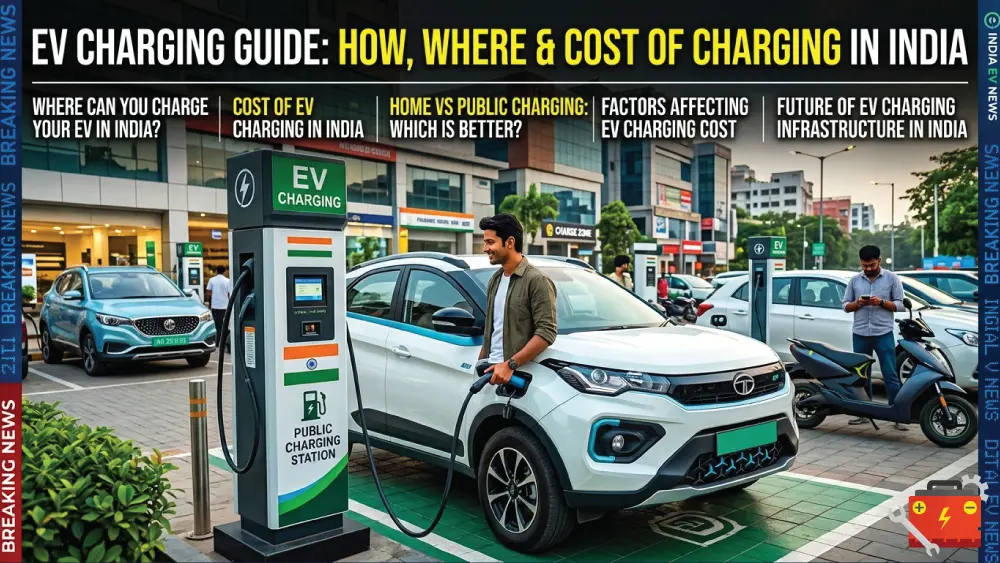
Electric Vehicles (EVs) are rapidly transforming the Indian automobile landscape. With rising fuel prices, government incentives, and increasing environmental awareness, EV adoption is accelerating faster than ever. However, one of the biggest concerns for new buyers remains: How do you charge an EV in India, where can you do it, and how much does it actually cost?
In this comprehensive guide by Auto Sphere 24, we break down everything you need to know about EV charging in India – from charging types to real-world costs and practical tips.
EV Charging in India
Unlike petrol or diesel vehicles, EVs run on electricity stored in batteries. Charging an EV is similar to charging your smartphone – plug it in, wait, and you’re ready to go.
India’s EV ecosystem is growing rapidly, with thousands of new charging stations being installed across cities and highways. However, charging infrastructure is still evolving, making it essential for EV owners to understand how it works.
How EV Charging Works
EV charging is based on a simple formula:
Battery Capacity (kWh) × Electricity Rate (₹ per kWh) = Charging Cost
For example, if your EV has a 30 kWh battery and electricity costs ₹8 per unit, a full charge will cost around ₹240.
Once charged, you can calculate the cost per kilometer depending on your car’s range. On average, EVs in India deliver ₹1 to ₹1.5 per km running cost, making them far cheaper than petrol cars.
Types of EV Charging Methods
1. Home Charging (Slow Charging)
- Uses standard household power supply
- Takes 6–10 hours for full charge
- Cheapest and most convenient
2. AC Public Charging
- Available at malls, offices, parking areas
- Moderate speed charging
- Slightly higher cost than home charging
3. DC Fast Charging
- Found on highways and urban charging hubs
- Charges up to 80% in 30–60 minutes
- Most expensive option
Fast chargers are ideal for long-distance travel, while home charging is best for daily use.
Where Can You Charge Your EV in India?
EV charging options in India are expanding quickly. Here are the main places:
1. Home
Most EV owners prefer charging at home overnight. In fact, over 68% of EV users rely on home or workplace charging.
2. Workplace
Some offices offer EV charging facilities, often free or subsidized.
3. Public Charging Stations
Available at:
- Shopping malls
- Petrol pumps
- Highways
- Parking complexes
4. Highway Fast Chargers
Essential for long trips, these chargers reduce range anxiety significantly.
Cost of EV Charging in India (Detailed Breakdown)
Understanding charging costs is crucial before buying an EV.
Home Charging Cost
- ₹2 to ₹10 per kWh (state dependent)
- Full charge: ₹250 to ₹500
- Cost per km: ₹0.40 to ₹1.30
Public Charging Cost
- ₹10 to ₹35 per kWh
- Fast charging session: ₹300 to ₹800
- Cost per km: ₹1.5 to ₹5.8
Workplace Charging
- Often free or ₹4 to ₹10 per kWh
Example Cost Comparison
| Type | Cost per km | 1000 km Cost |
|---|---|---|
| EV (Home) | ₹0.40 – ₹1.30 | ₹400 – ₹1,300 |
| EV (Public) | ₹1.50 – ₹5.80 | ₹1,500 – ₹5,800 |
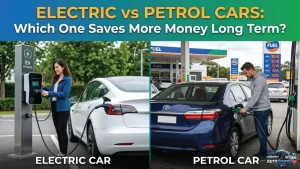
| Petrol Car | ₹7 – ₹8+ | ₹7,000 – ₹8,000 |
Clearly, EVs are significantly cheaper to run than petrol vehicles.
Home vs Public Charging: Which is Better?
Home Charging – Best for Daily Use
- Cheapest option
- Convenient overnight charging
- Ideal for city driving
Public Charging – Best for Travel
- Faster charging
- Useful for long journeys
- Higher cost
Verdict:
Use home charging for routine needs and public charging for long trips.
Factors Affecting EV Charging Cost
Several factors influence your final charging bill:
1. Electricity Tariff
Different states have different rates.
2. Charging Speed
Faster chargers cost more.
3. Time of Charging
Night tariffs can be cheaper.
4. Battery Size
Bigger battery = higher charging cost.
5. Location
Metro cities often have higher public charging rates.
Tips to Reduce EV Charging Expenses
Want to save more on EV charging? Follow these tips:
- Charge at home whenever possible
- Use off-peak (night) electricity tariffs
- Avoid frequent fast charging
- Plan routes with affordable chargers
- Use apps to compare charging prices
These small habits can reduce your running cost significantly over time.
Future of EV Charging Infrastructure in India
India’s EV charging network is expanding rapidly. The number of public chargers has grown nearly 5X since 2022, though demand still exceeds supply.
Government initiatives and private investments are driving growth, including:
- Highway charging corridors
- Battery swapping stations
- Ultra-fast charging networks
Experts predict that EV charging will become as common as petrol pumps in the next decade.
Conclusion
EV charging in India is no longer complicated – it’s becoming easier, faster, and more affordable every year. While public infrastructure is still developing, home charging already offers a highly economical solution for most users.
If you’re considering switching to an EV, understanding charging options and costs will help you make a smarter decision. As highlighted by Auto Sphere 24, EVs are not just eco-friendly – they are also significantly cheaper to run and maintain.
The future of mobility in India is electric – and charging is at the heart of it.
FAQs
How much does it cost to fully charge an EV in India?
It typically costs between ₹250 to ₹500 for a full charge at home, depending on electricity rates.
Is EV charging cheaper than petrol?
Yes, EVs cost around ₹1 per km compared to ₹7–₹8 per km for petrol cars.
Can I charge my EV at home?
Yes, most EV owners charge at home using a standard power connection or wall charger.
How long does it take to charge an EV?
- Home charging: 6–10 hours
- Fast charging: 30–60 minutes
Are public EV charging stations expensive?
They are more expensive than home charging but still cheaper than petrol overall.
Is EV charging infrastructure good in India?
It is improving rapidly, but still developing in smaller cities and rural areas.